
No surprise to us: what the UK's biodiversity alarm looks like from the field
This year the UK published a national security assessment on global biodiversity loss and ecosystem collapse, and the British press met it with something close to horror: an intelligence report, the headlines ran, warning of ecological collapse and the conflict and mass migration that follow. The alarm is warranted. Yet to those of us in development, the content, however stark, reads as confirmation rather than revelation; the sector has been saying much of this for years. What is new is not the diagnosis but the diagnostician. This is not a conservation paper; it is an intelligence product, applying the probability yardstick and confidence ratings normally reserved for state threats and terrorism to coral reefs, boreal forests and the Amazon. And it is pointedly about biodiversity, not merely a warmer climate: pollinator loss, fisheries collapse, soil biology, the zoonotic spillover that follows when ecosystems simplify.
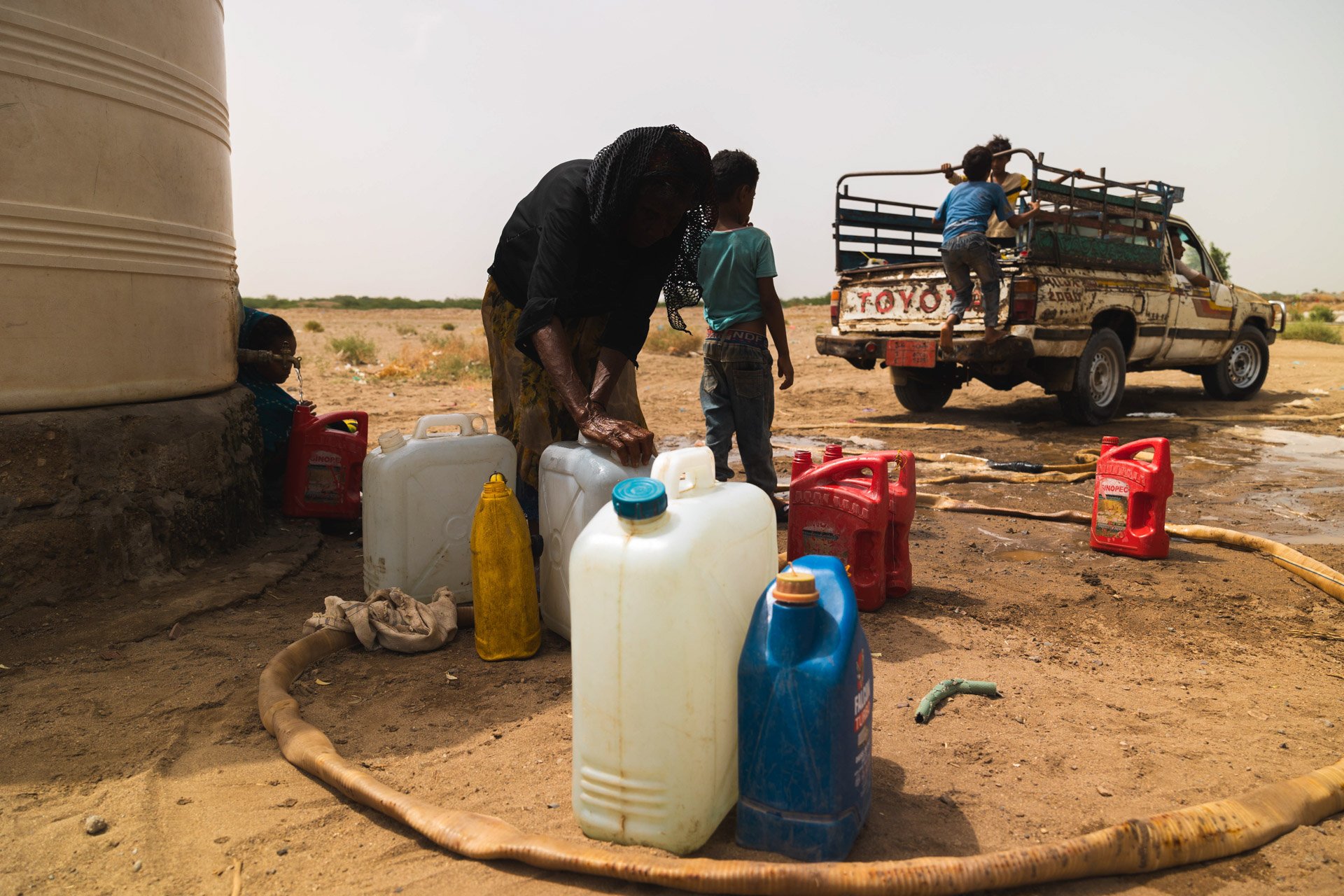
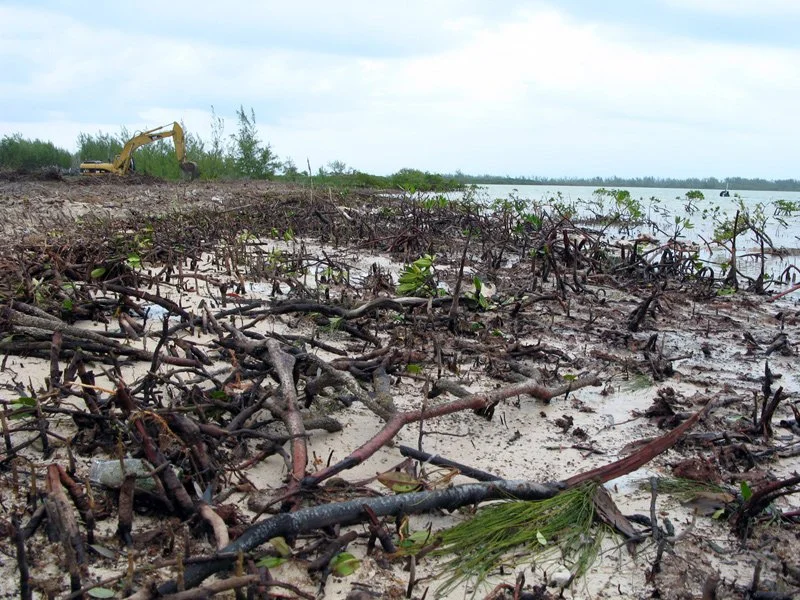
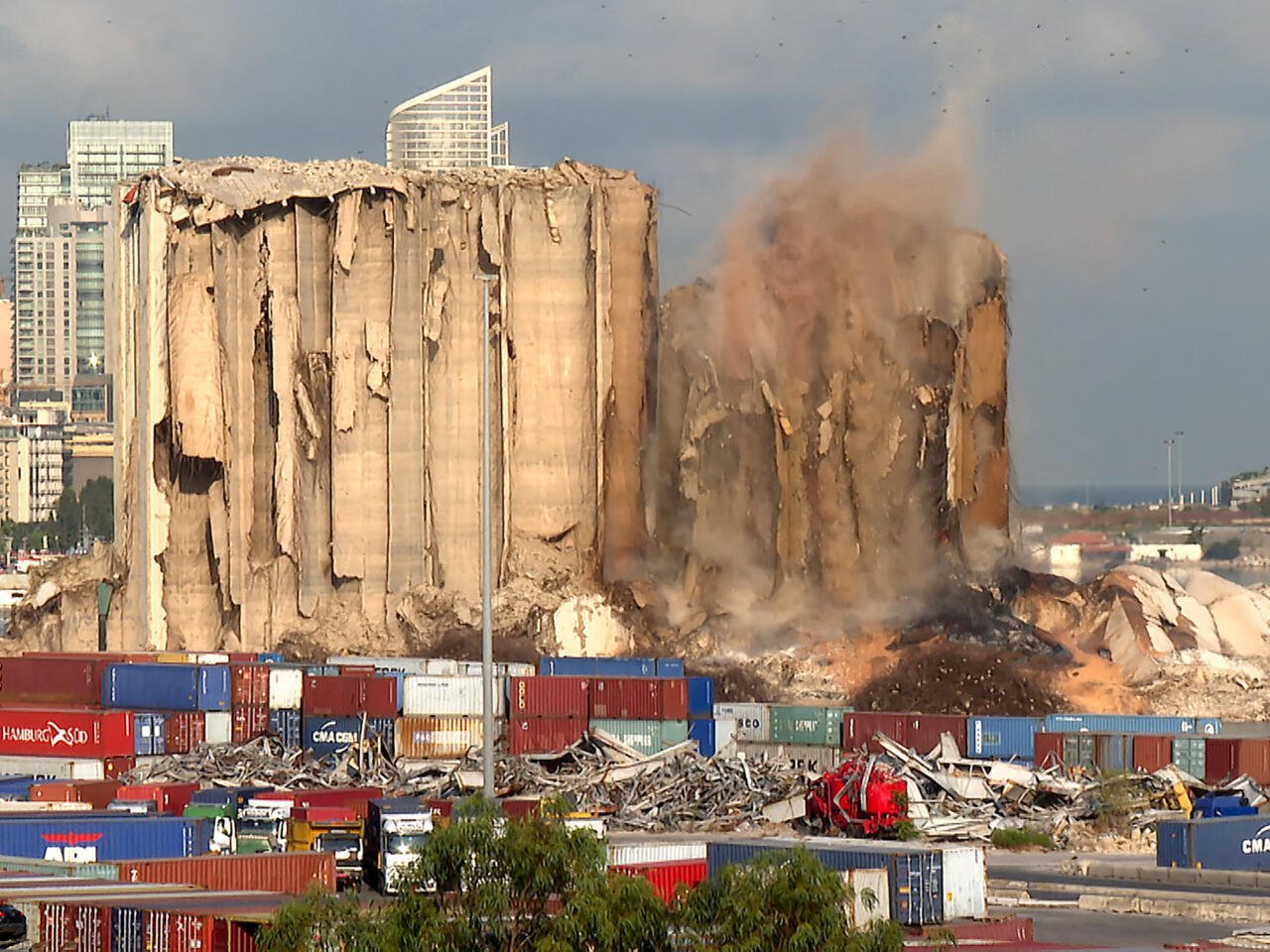
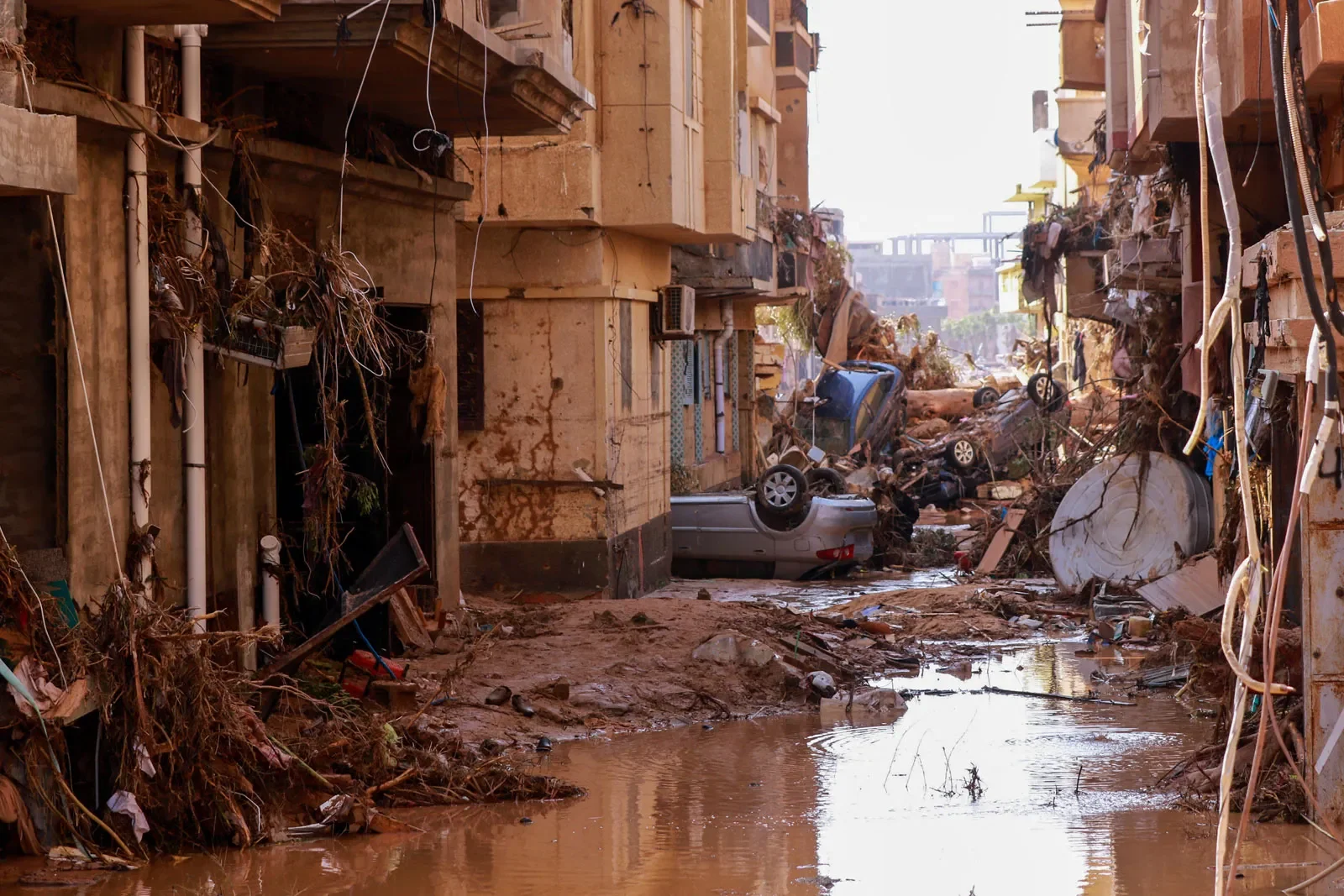
For practitioners in stabilisation and development, the assessment reads less like a forecast about 2050 than a description of the present in the fragile states where organisations like ARK work. Take Yemen. Sanaa is routinely named as one of the first capital cities at real risk of running out of viable groundwater, its aquifers drawn down far faster than they recharge, and control of what water remains has been folded into the war economy for years. Layered onto that, the decline of Red Sea and Gulf of Aden fisheries and the loss of coastal mangroves have hollowed out livelihoods that once anchored whole communities. The report's own evidence makes the disease link explicit: as ecosystems simplify and species mix, zoonotic spillover becomes more likely, and fragile states are precisely where the surveillance to catch it early has already collapsed. Lebanon supplies the import-dependency case the report models in the abstract, a country reliant on foreign wheat that watched much of its national grain reserve destroyed in the 2020 port explosion. Libya shows the same logic from the other direction. When Storm Daniel breached two ageing dams above Derna in 2023 and killed thousands, the catastrophe was not simply meteorological. It was a climate-intensified hazard meeting a state so fractured by a decade of rival governments that the dams had gone unmaintained, the warnings unheeded and the evacuation uncoordinated. Disaster, as the resilience literature keeps insisting, is hazard multiplied by vulnerability, and vulnerability is manufactured by conflict and neglected governance.
So the intersection is real. The harder question is the causal story we tell about it, and here the report supplies its own worked example. Its glossary reaches back to the 2010 Russian heatwave and wildfires, the wheat export ban that followed, the spike in global food prices, and the unrest that became the Arab Spring. There is a scholarly case for that chain. Marco Lagi and Yaneer Bar-Yam mapped global food-price peaks onto the timing of riots across the region and found a threshold above which unrest became far more likely; Troy Sternberg traced a one-in-a-hundred-year drought in China through the global wheat market to the price of bread in Egypt, the world's largest wheat importer. It is a genuine teleconnection, an ecological shock in one hemisphere surfacing as political rupture in another.
But the same literature warns against reading the Arab Spring, or what followed, as environmentally determined. Food prices were an aggravating stressor, not the grievance; the authoritarianism, the corruption and the demands for dignity were the story, and where incomes were high and food a small share of spending, as in the Gulf, the same price shock produced no uprising at all. This is where the environmental scarcity thesis, from Thomas Homer-Dixon onward, and the "threat multiplier" language that grew from it, meet their critics. The point has been litigated hardest over Syria. Colin Kelley and colleagues argued in 2015 that drought helped tip the country into war; Jan Selby, Omar Dahi, Christiane Fröhlich and Mike Hulme replied that this misreads the evidence and buries the real drivers, agricultural liberalisation, subsidy withdrawal and the marginalisation of the north-east. The same caution applies in the Sahel, where the reflex to read farmer-herder violence as desertification producing conflict has been contested for over a decade; Benjaminsen and Buhaug found the land-use conflict link far weaker, and far more politically mediated, than the securitised story assumes.
This is not pedantry, because determinism is operationally dangerous. If you believe scarcity causes war, you invest in satellites and early warning. If you believe it exposes and deepens pre-existing injustice, you invest in governance, inclusion and livelihoods. The Iraqi marshes hold both truths at once. The Mesopotamian wetlands, one of the region's great ecosystems, were deliberately drained as an instrument of counterinsurgency against the Marsh Arabs, and their partial restoration after 2003 was, equally, a political act. Ecology there was never a neutral backdrop. It was something a state did to a population, and something that population is now recovering with support.
Which brings me to what the assessment does not say. Its six ecosystems judged critical to UK security, the Amazon, the Congo, the boreal forests, the Himalayas, and South East Asia's reefs and mangroves, do not include a single site in the Middle East, North Africa or the Sahel. On the document's own logic, the states we often work in are not ecologically valuable enough to protect; they appear only downstream, as sources of instability and migration to be managed. That is what securitising nature, in the Copenhagen School's sense, quietly does. It can unlock money and attention that decades of conservation argument could not, but it also decides whose collapse counts. The migration chain deserves the same scepticism: the report's figure that a one-point rise in food insecurity moves nearly two percent more people rests on a body of forecasting widely criticised as thin, and the policy such forecasts tend to fund is border-hardening, not resilience.
Honesty should cut both ways, though. Our sector has been slow to take irreversibility seriously, treating resilience as though systems can always bounce back; the report's insistence on thresholds and tipping points is a genuine and uncomfortable challenge to that faith. And the alternative I would instinctively reach for, environmental peacebuilding, is no panacea. Tobias Ide has catalogued its darker side, the way technical cooperation over shared water can quietly depoliticise the very inequalities, unequal Palestinian water access among them, that drive the conflict in the first place.
So I will pose the questions rather than pretend to settle them. Does framing biodiversity as national security pull resources towards local resilience, or towards hardened borders and militarised adaptation? Can our sector shape this agenda before the security frame sets around it? And in the fragile states already living the cascade, who gets to decide what counts as security, and whose collapse we are prepared to notice?