
Election Year 2026. What it means for Latin America
A Defining Electoral Calendar
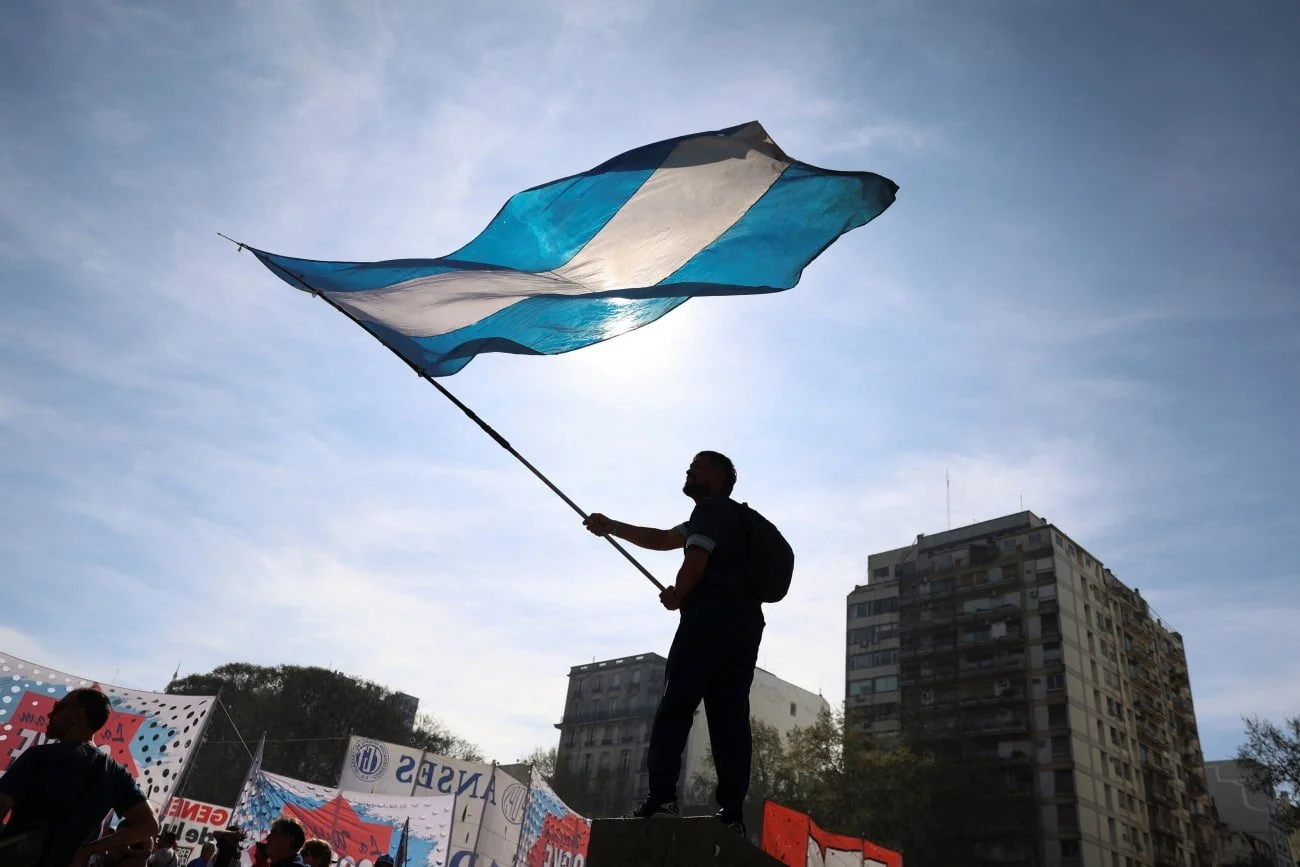
2026 will be a big year for democracy in Latin America.
Five countries, Costa Rica, Peru, Colombia, Haiti, and Brazil, are set to hold presidential elections between February and October.
The outcomes of these elections will determine whether the region's rightward shift accelerates or reverses. Costa Rica voted on 1 February, Peru will on 12 April, Colombia on 31 May, Haiti on 30 August, and Brazil on 4 October. All face common challenges: electoral integrity, violence, and external influence.
The Security Crisis Reshaping Electoral Politics
Security has emerged as the dominant electoral issue. Voters across the region now prioritise crime and violence over traditional concerns like the economy or corruption.
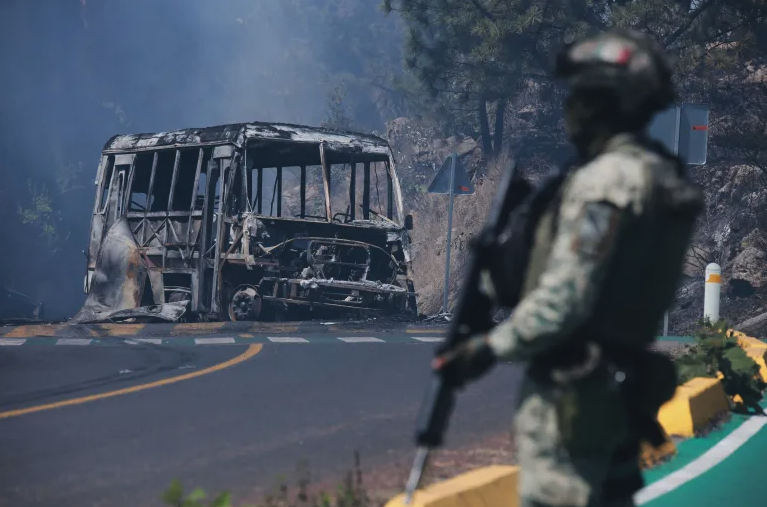
In Colombia, the assassination of presidential candidate Miguel Uribe Turbay on 11 August 2025 sent shockwaves through the political establishment. Uribe was shot by a 15-year-old hired gunman during a campaign rally in Bogotá on 7 June and died two months later. The killing marked the first assassination of a presidential candidate in decades, evoking memories of Colombia's darkest period of political violence in the late 1980s.
Before his death, Uribe led presidential polls with 13.7% support. His killing has intensified scrutiny of President Gustavo Petro's "Total Peace" programme aimed at negotiating with armed groups. Violence has increased substantially under Petro's administration, with homicides up 20.9% since 2016 and kidnappings rising 34.8%. Mass forced displacements have reportedly quadrupled.
In Peru, an October 2025 Ipsos poll found crime and corruption were voters' two biggest concerns. Brazil faces similar pressures, with 38% of Brazilians naming security their biggest worry in a November 2025 Quaest poll.
Cartel Influence and Organised Crime
Transnational criminal organisations are flexing their influence over electoral processes. The dynamics range from direct violence against candidates to subtler forms of interference.
Colombia presents the most acute example. Investigations into the Uribe assassination point to possible involvement by FARC dissident groups, specifically the Central General Staff faction led by "Iván Mordisco." The 15-year-old shooter was allegedly recruited by criminal networks. President Petro has blamed the "Board of Directors of Drug Trafficking," though evidence remains inconclusive.
In Peru, current poll leader Rafael López Aliaga has built his campaign around hardline approaches to organised crime, explicitly modelling himself on Trump's security-first messaging.
Haiti faces the most severe situation. Gang violence dominates public life following President Jovenel Moïse's assassination in July 2021. The electoral council stated in October 2025 that holding elections before the transitional government's term expires would be "impossible."
Electoral Integrity and Free Elections
“Given rising violence and potential cartel interference, electoral integrity concerns now dominate multiple contests. ”
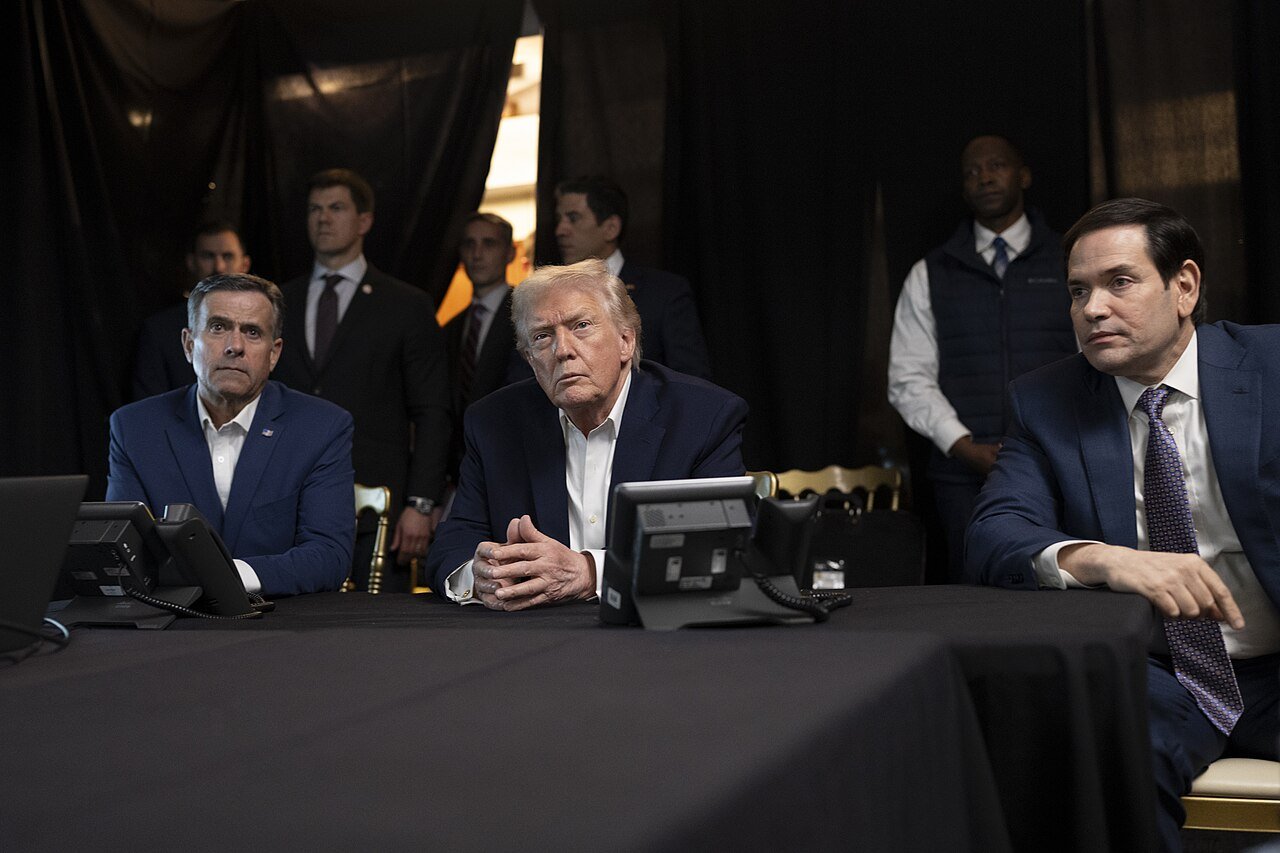
Honduras provides the clearest example. The November 2025 presidential election, won by Trump-endorsed Nasry Asfura, was characterised by logistical challenges and institutional disputes. Republican Congresswoman Maria Elvira Salazar urged Secretary of State Marco Rubio to ensure free and fair elections, reflecting a newfound willingness amongst Trump-aligned LATAM politicians to appeal for direct US assistance. The US as we have seen, has demonstrated extraordinary willingness to interfere directly—a new political variable opposition leaders across the region understand and don’t underestimate
Brazil faces different electoral integrity questions. The Trump administration imposed tariffs and sanctions against Brazilian judicial officials, characterising legal action against former President Jair Bolsonaro as political persecution. In July 2025, the White House claimed actions against Bolsonaro undermined Brazil's ability to hold free and fair elections in 2026. Evidence points to the contrary. Bolsonaro was convicted in September 2025 for his role in an attempted coup to overturn the 2022 results, making him ineligible to run.
Peru's electoral landscape is complicated by institutional fragility. President Dina Boluarte assumed office in 2022 following Pedro Castillo's impeachment after he attempted to dissolve congress and rule by decree. Despite proposals for early elections, legislators failed to approve them.
US Involvement and Regional Influence
The Trump administration has demonstrated unprecedented interesnt to engage in Latin American electoral politics through public endorsements, economic pressure, and military action. Trump publicly urged voters in Argentina and Honduras to support his preferred candidates during 2025 elections. The administration reportedly offered Argentina $20 billion conditional on electoral support for Milei's coalition.
Marco Rubio's tenure as Secretary of State has emphasised building relationships with ideologically aligned governments whilst applying pressure to left-wing administrations. This creates clear incentives for conservative candidates and challenges for progressive ones.
The Rightward Trend and Political Inspiration
Candidates across the region are drawing inspiration from successful right-wing governments, particularly El Salvador and Argentina. This reflects calculated political strategy based on demonstrated governance results.
In Peru, both Rafael López Aliaga and Keiko Fujimori have modelled campaign messaging on security-first approaches pioneered in El Salvador. Costa Rica's Laura Fernández, former chief-of-staff to President Rodrigo Chaves, leads polling with 24%, potentially high enough to avoid a runoff.
Even before his assassination, Miguel Uribe had built his campaign around restoring law and order in Colombia. His death has amplified these themes across candidates.
Brazil's election will test whether progressive governance can withstand mounting security concerns. President Lula, seeking re-election at age 79, faces challenges from Flavio Bolsonaro, son of the jailed former president. If elections focus on economic performance, Lula maintains advantages. If security dominates, his position weakens.
What 2026 Elections Mean for the Region
If right-wing candidates win in Colombia and Brazil, the region's second and third largest economies, it would represent the most comprehensive ideological realignment since democratisation. Combined with 2025's results in Chile, Bolivia, Honduras, and Ecuador, this would create a conservative bloc spanning most major Latin American economies.
US willingness to apply economic pressure, impose sanctions, and conduct military operations creates incentives for governments to align with American priorities.
Voter priorities are clear: security and economic stability dominate. Candidates addressing these issues maintain advantages. The question is whether conservative governance models can sustain the results that brought them to power, or whether implementation challenges create opportunities for alternatives.
The 2026 electoral calendar represents a defining moment for Latin American democracy. Five presidential elections will determine not only national trajectories but broader regional patterns around governance, security, and international alignment.
Electoral integrity faces threats from organised crime violence, institutional weakness, political polarisation, and external interference. The Trump administration's willingness to engage directly through endorsements, economic pressure, and military action creates both opportunities and challenges.
The rightward trend evident in 2025 appears positioned to continue through 2026. Conservative candidates have learned from El Salvador and Argentina, adapting messaging accordingly. Progressive governments face mounting pressure to address security failures. Whether Latin American democracies can conduct free, fair, and safe elections whilst addressing fundamental security challenges will determine the region's political trajectory for years to come.