
The Right-Wing Model in Latin America
The end of the “Pink Tide”
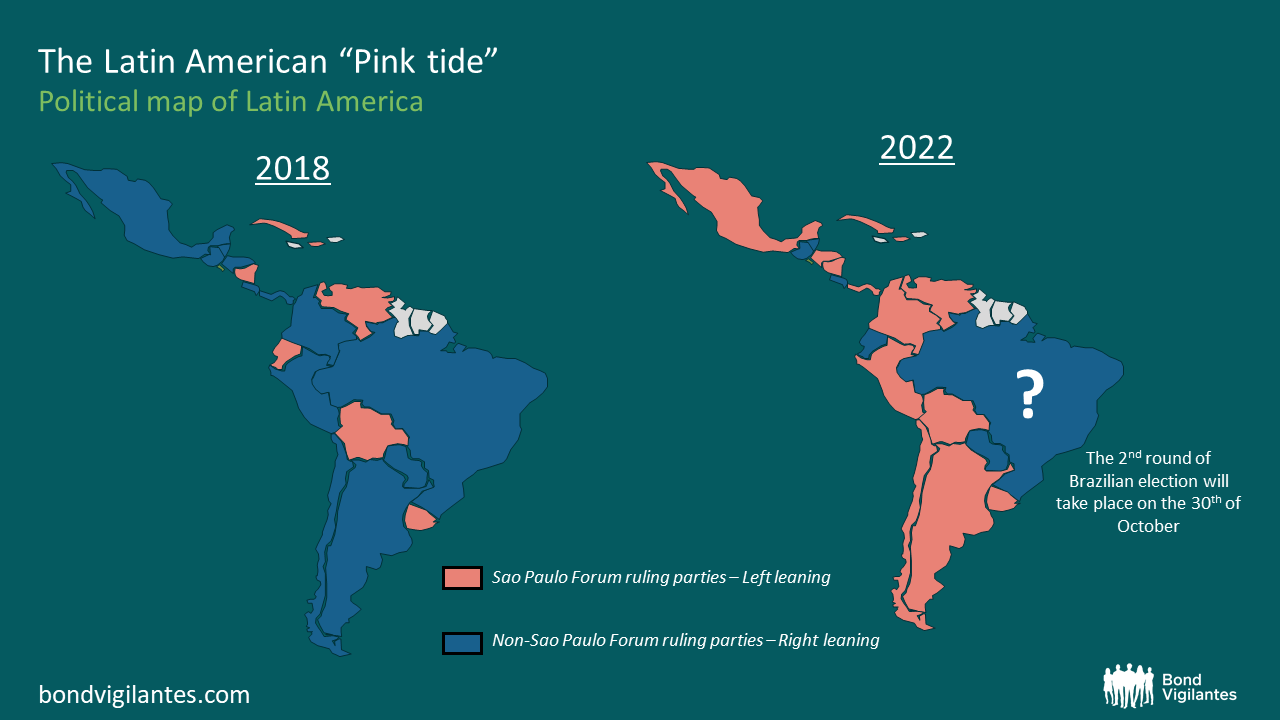
Latin America is experiencing its most dramatic political realignment in a generation. After two decades of left-wing dominance across the continent, locally known as the "Pink Tide", a conservative wave has swept the region. Despite scepticism, right-wing populist governments have thus far demonstrated remarkable effectiveness in governance, delivering tangible results that are reshaping the region's political landscape and its relationship with the United States.
The capture of Venezuelan strongman Nicolás Maduro by US forces on January 3, 2026, marked another dramatic turning point. Operation Absolute Resolve, and the naval strikes on drug trafficking vessels that preceded it, signalled a new era of American engagement in Latin America, one that has emboldened conservative governments and accelerated the region's rightward momentum.
The Electoral Shift
The electoral trends are striking.
All four presidential elections held in 2025 went to right-wing or centre-right candidates: Bolivia, Chile, Honduras and Ecuador. This means that nine Latin American countries are now governed by right-leaning presidents, a notable reversal from the dominance of left-wing governments in the previous decade.
In Chile, José Antonio Kast secured a decisive victory with 58% of the vote, one of the largest margins in Chilean electoral history. This represented a clear rejection of the progressive government that had struggled with rising crime and economic challenges. In Argentina, Javier Milei's coalition captured approximately 41% of the vote in midterm elections, roughly doubling their congressional representation and providing a mandate for his controversial economic reforms. Meanwhile, Nayib Bukele (elected to El Salvador in June 2019) maintains approval ratings around 85%, among the highest of any democratically elected leader globally.
The pattern reflects a broader shift in voter priorities across the region, with electorates increasingly focused on security, economic stability, and governance effectiveness.
The El Salvador Model: Security Through Enforcement
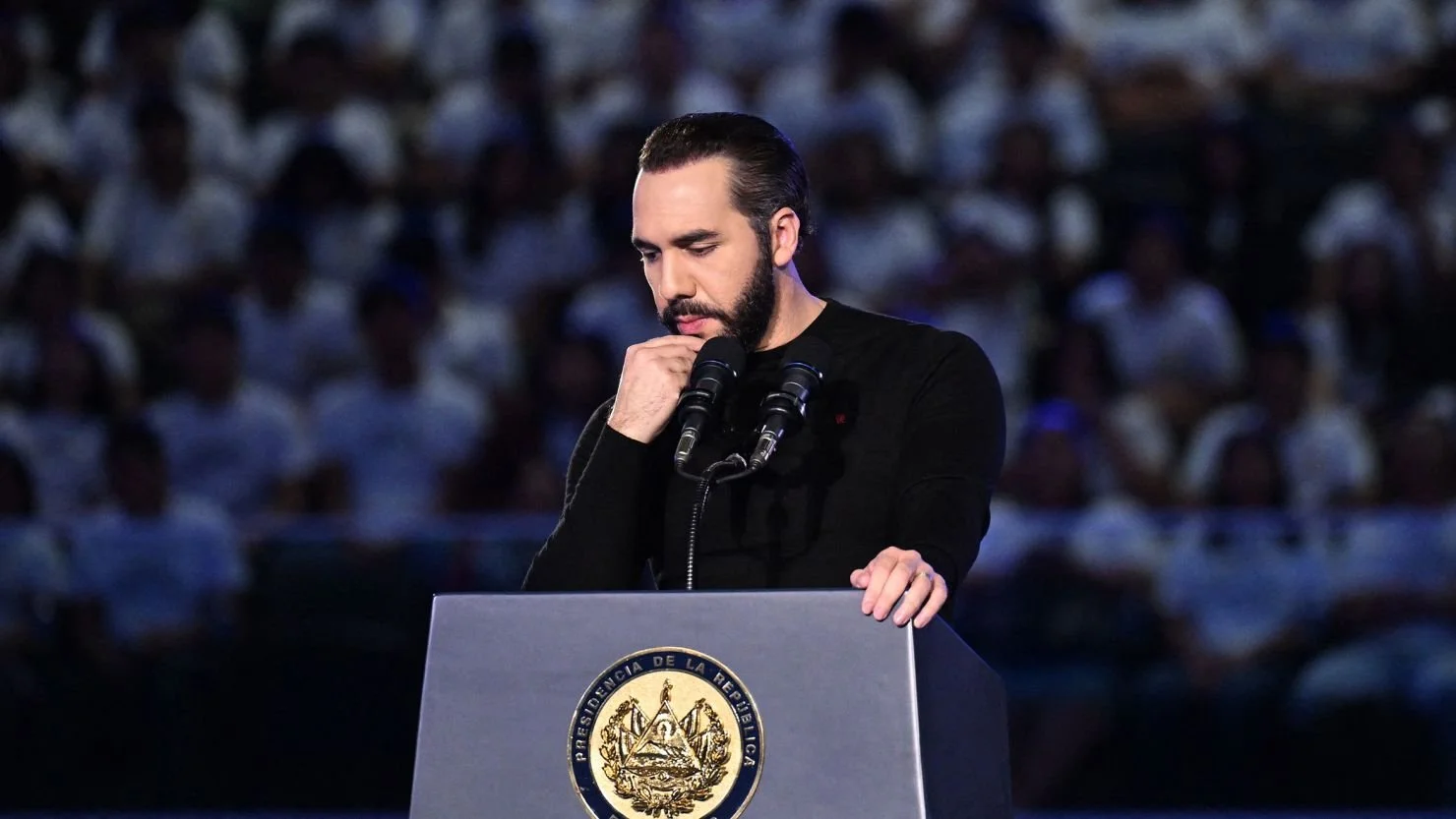
El Salvador's Nayib Bukele, the country’s youngest ever president who was elected at just 37 years old, has emerged as a central figure in the conservative resurgence across Latin America. His administration's approach to gang violence and new forms of currency have produced measurable results that have attracted attention throughout the region, and the world.
El Salvador's homicide rate declined from 53 per 100,000 people in 2018 to approximately 1.3 per 100,000 in 2025, a reduction of over 97%. Under Bukele's draconian security policies, which included mass arrests of gang members, extended states of emergency, and the construction of a high-security prison facility, the country transformed from having one of the world's highest murder rates to one comparable to many developed nations.
The approach has drawn criticism from international human rights organisations, which have raised concerns about due process and civil liberties. However, Bukele's policies have received strong domestic support, reflected in his electoral victories and sustained high approval ratings.
Countries across the region have begun implementing similar security measures. Honduras, Ecuador, Guatemala, Panama, the Dominican Republic, and Argentina have adopted elements of El Salvador's approach to combating organised crime. Political leaders in these countries have explicitly cited El Salvador's crime reduction as justification for tougher enforcement policies.
The model demonstrates the political appeal of security-focused governance in countries where organised crime has significantly impacted daily life and economic activity. Arguably, this kind of approach has even inspired the US and Donald Trump.
Argentina's Economic Reforms
Javier Milei's economic programme in Argentina represents one of the region's most ambitious attempts at fiscal and monetary stabilisation. His administration has implemented significant structural reforms aimed at addressing Argentina's chronic economic challenges.
Argentina's economic difficulties were well-documented before Milei took office. Decades of expansive fiscal policy, currency controls, price regulations, and monetary expansion had contributed to persistent inflation, currency instability, and low growth. When Milei assumed the presidency, annual inflation stood at 211%.

Milei's programme, characterised by substantial cuts to government spending, elimination of price controls, currency devaluation, and extensive deregulation across 1,246 separate measures, faced enormous scepticism from many economists and international observers who questioned whether such rapid reforms could succeed without severe social disruption.
The early results have been mixed but show signs of macroeconomic stabilisation. Inflation declined from 211% annually in 2023 to approximately 31-43% annually by late 2025, though it remains elevated by international standards. Argentina subsequently achieved its first budget surplus in 14 years. GDP growth projections for 2025 range from 4.5% to 5.5% depending on the source, which would place Argentina among Latin America's faster-growing economies. Foreign investment has begun returning, and currency markets have shown greater stability.
The reforms have imposed costs. Real wages declined in the initial months, and poverty rates increased temporarily. However, Milei's government maintained its policy course, arguing that short-term adjustment was necessary to avoid deeper economic crisis. In this case, the chainsaw wielding ex-economist has been proven right. The Argentine case provides evidence that comprehensive fiscal and monetary reforms can produce relatively rapid macroeconomic stabilisation, though the longer-term sustainability and social impact of these policies remain subjects of debate.
The Maduro Capture and Regional Implications
On January 3, 2026, US military forces conducted strikes across multiple locations in Venezuela, including Caracas, Miranda, Aragua, and La Guajira, in what became known as Operation Absolute Resolve. The operation's objective was the capture of Nicolás Maduro, who faced US indictments on narco-terrorism charges. The operation succeeded in apprehending Maduro, who is now in US custody. The action represents the most significant US military intervention in Latin America in decades and has substantial implications for regional politics. The operation signals a shift in US policy toward more direct action against governments Washington designates as linked to drug trafficking.
For both left and right-wing governments in the region, the operation demonstrates US interests to influence Latin America and facilitate support for governments aligned with Washington's priorities. For left-wing governments, particularly those with strained relations with the United States, the operation raises questions about potential future interventions.

Future Electoral Landscape
Eight additional presidential elections are scheduled for 2025-2026, including significant contests in Colombia, Brazil, and Peru. Current polling and political analysis suggest that right-wing or centre-right candidates maintain competitive positions in several of these races, including potential challenges to incumbent left-wing governments.
Notable upcoming elections include potential challenges to Lula da Silva in Brazil and Gustavo Pietro in Colombia. If conservative candidates were to win a majority of these remaining elections, it would represent a substantial shift in the region's political composition.
The electoral outcomes will likely depend on whether current right-wing governments can sustain their governance results. In countries where conservative administrations have reduced crime or stabilised economies, voters in neighbouring nations may be more inclined to support similar approaches. Conversely, any significant governance failures could slow the conservative momentum.
What now?
Latin America's political landscape has shifted significantly toward conservative governance over the past several years. This realignment reflects voter responses to specific policy and economic outcomes rather than purely ideological factors.
The region's right-wing governments have achieved measurable results in areas that voters identified as priorities: El Salvador has dramatically reduced violent crime, Argentina has made progress on inflation reduction and fiscal stabilisation, and several governments have pursued anti-corruption measures.
The capture of Nicolás Maduro and the Trump administration's more interventionist approach in the region have created conditions favourable to conservative governments. Increased US engagement, particularly on security issues, has provided additional support for governments aligned with Washington's regional priorities. The sustainability of this conservative wave will depend on continued governance effectiveness. Electoral success has created expectations for results on crime, economic growth, and corruption. Meeting these expectations while managing the social costs of reforms will determine whether the current political alignment persists or whether the pendulum swings back toward progressive alternatives.
The coming electoral cycles will test whether the conservative model can consolidate its gains or whether it represents a shorter-term response to specific governance failures. For now, right-wing governments across Latin America have demonstrated that voters reward measurable improvements in security and economic stability, regardless of ideological considerations.