
The 2025 Iraqi Elections: Post-Elections Analysis and Outlook
What happened?
The headlines following Iraq’s recent elections focused on two numbers:
A robust 56.1% turnout, significantly higher than the record low of ~41-43% seen in the 2021 elections and the ~44.5% in 2018.
The resurgence of Prime Minister Mohammed Shia’ al-Sudani, whose party secured approximately 45 seats, a significant leap from his single seat in 2021.
Despite the Sadrists’ boycott, this turnout was driven largely by effective mobilization among Kurdish and Sunni factions, alongside Shia voters rewarding Sudani for tangible stability and construction achievements in Baghdad.
However, the "winner" narrative is deceptive.
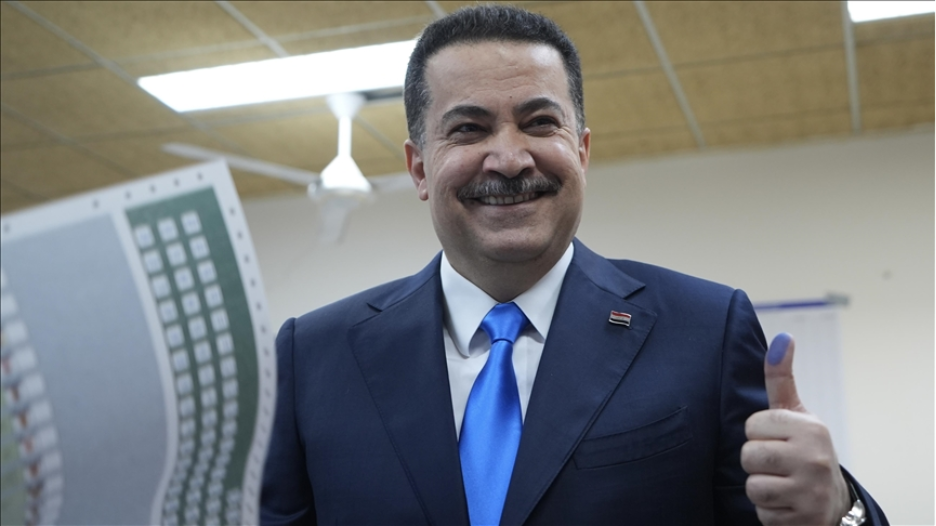
Prime Minister Mohammed Shia’ al-Sudani
While Sudani holds the largest individual bloc, he does not hold power.
In Iraq, the country’s political system is built around inclusion rather than competition, on the assumption that excluding major communal groups would push them back into violence. This informal but powerful arrangement is known as muhasasa — a sectarian–ethnic quota system.
Under this framework, executive authority is distributed along communal lines: the Prime Minister is Shia, the President Kurdish, and the Speaker of Parliament Sunni. Power is further diffused through coalition bargaining rather than electoral majorities.
Iraq's Parliament is split along ethnic and sectarian lines to ensure equal representation and limit potential for violence.
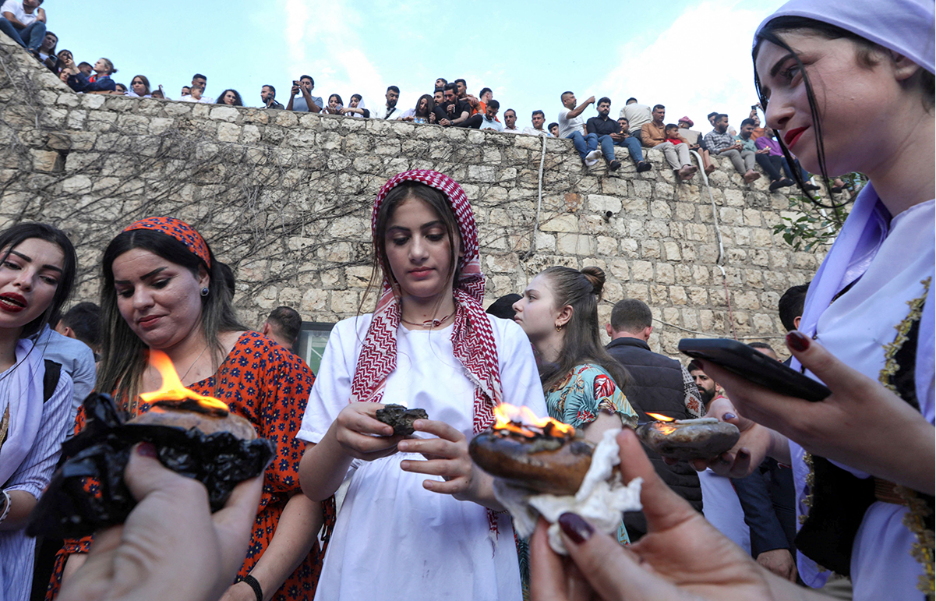
The parliamentary arithmetic reflects this logic.
A hypothetical “coalition of winners”, bringing together Sudani’s bloc, Sunni parties, and the Kurds, would total roughly 99 seats, well short of a governing majority. By contrast, the Shia Coordination Framework (CF) — comprising State of Law, Badr, Asa’ib Ahl al-Haq (AAH), and allied factions, alongside their Patriotic Union of Kurdistan (PUK) partners, retains a blocking majority exceeding 100 seats.
The balance is delicate.
Consequently, Sudani’s coalition has reportedly already returned to negotiations within the CF fold, acknowledging a central reality of Iraqi politics: no government can be formed without the consent of veto-holding power blocs, regardless of electoral performance.
Why does it matter?
These elections mark a critical evolution in Iraq’s power dynamics: a shift from “state contestation” to “state capture.” Previously, armed factions within the Popular Mobilization Forces (PMF) fought against the state; now, they are becoming the state. Prior to the current election, these non-state actors worked behind the scenes to influence power; now they’re the ones wielding it directly. There is even talk of integrating these once outlawed militias into the Iraqi Government.
This is most visible in the institutional entrenchment of the CF.
The conversation highlights how factions like AAH have utilized control over ministries, such as Higher Education, to appoint loyalists to administrative roles (Deans, Assistant Deans) and formalie PMF-linked student bodies like “Abna al-Muhandis” Similarly, the economic landscape is being reshaped by entities like the Al-Muhandis General Company, which secures state land and no-bid contracts. This deepens the roots of specific political factions into the permanent civil service and economy, creating a "deep state" influence designed to outlast any single election cycle.
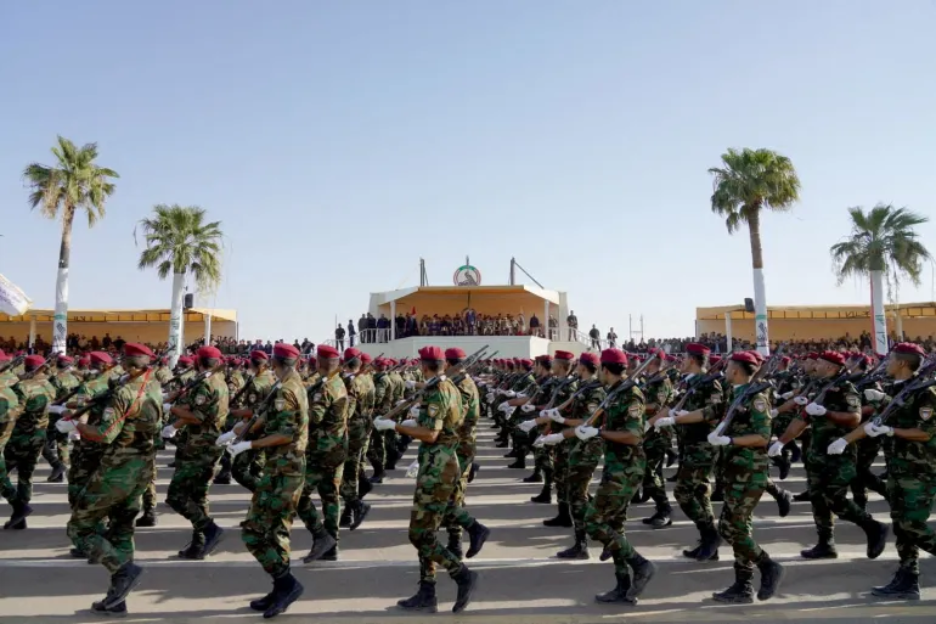
A PMF military parade in Diyala, Iraq, July 2022.
What’s next for Iraq?
We are entering a period of protracted negotiation, but the outcome will likely follow the “consensus” model. On 18 November, the CF announced that it had formed the largest parliamentary bloc and would nominate the country’s next prime minister. This means that the CF, representing the Shia, will engage the Sunnis and the Kurds to form a government based on power-sharing.
A likely scenario is that Sudani may be re-nominated, but only if he accepts his role as a “manager of consensus” - forced to make concessions to rivals within the Shia constiuency. If he resists or threatens the core economic interests of the CF, they retain the numbers to veto him and elevate an alternative consensus candidate.
To demonstrate that Sudani is not their inevitable choice, the CF has reportedly drawn up a list of potential nominees.7 While this list includes both Maliki and Sudani, it notably features alternative power players such as:
Hamid al-Shatri: The Chief of the Iraqi National Intelligence Service (INIS).
Qasim al-Araji: The National Security Advisor, a key figure often bridging the gap between the CF and the international community.
Abdul-Hussein Abtan: A former Minister of Youth and Sports known for his technocratic appeal.
Asaad al-Eidani: The Governor of Basra, who commands significant local popularity and economic leverage.
Haidar al-Abadi: Former prime minister and the head of al-Nasr Coalition.
In early December 2025, reports circulated that the CF has narrowed down the list to three nominees; Sudani, Abadi, and Ali al-Shakri, former Minister of Planning. Meanwhile, journalist and political activist, Salam Adel, publicly presented his candidacy to AAH, awaiting their approval.
While this list suggests a wide field, the reality is more calculated.
Internally, many within the CF likely acknowledge that Sudani remains the most logical choice for a second term. The current volatile geopolitical landscape - caught between escalating US pressure and Iranian strategic interests - demands a figure capable of acting as a stabilizer and a balancer. Sudani has proven he can walk that tightrope. However, the CF leadership is careful not to make this re-appointment feel inevitable. By flooding the field with alternatives, they are signalling that Sudani is not indispensable.
The goal is to strip him of the leverage his electoral victory provided, ensuring that if he returns, he does so not as a popular victor, but as a consensus appointee who has agreed to their specific terms and conditions.
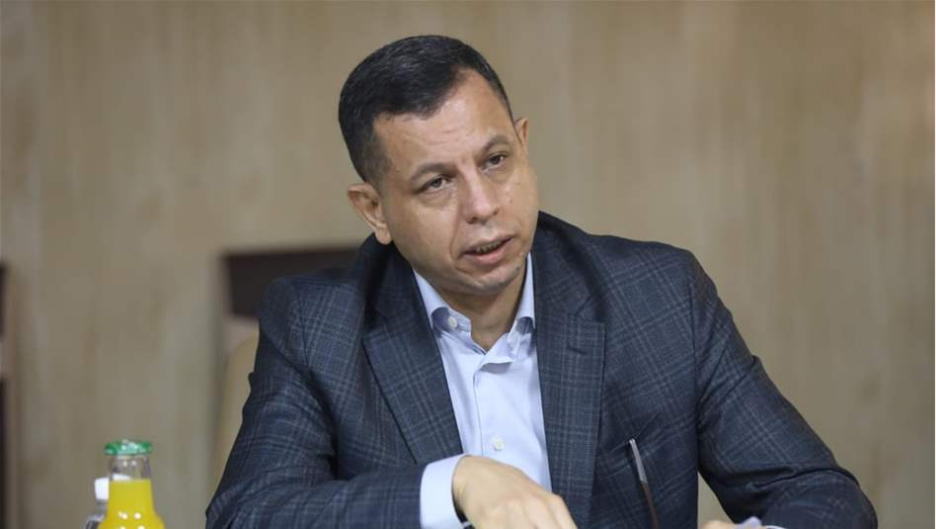
Hamid Al-Shatri, Chief of the Iraqi National Intelligence Service (INIS).
This tension stems from a fundamental clash of political brands.
During his first term, Sudani successfully marketed himself as the 'Service Prime Minister,' winning public favor through focusing on economic and development issues like visible infrastructure projects in Baghdad and other provinces, and by attempting to insulate Iraq’s economy from the regional conflict involving the 'Axis of Resistance.' In contrast, the CF remains rooted in an ideological mandate, prioritizing the expulsion of US troops and the consolidation of the 'Resistance' axis. The CF’s strategy is therefore paradoxical: they need Sudani’s technocratic competence to maintain public calm, but they fear his growing popularity could allow him to build a power base independent of their patronage. By forcing him into a consensus arrangement, they aim to harness his administrative success while keeping his political autonomy on a short leash.
Does democracy stand a chance?
If democracy is defined strictly by the act of voting, it remains alive; the 56% turnout shows Iraqis still engage with the process. However, if democracy is defined as the ability of voters to change their governance trajectory, the outlook is bleak.
The structural reality of post-2021 Iraq is that the Prime Minister is not a leader with a mandate, but an employee of a coalition. The “blocking majority” mechanism ensures that a “majority government” (which excludes the losers) is mathematically impossible.
As long as state institutions are captured by unelected actors and the parliamentary system defaults to a veto-wielding consensus, the ballot box serves more to redistribute leverage among elites than to enact the will of the people.