
“Holy Weapons”: Prospects for Militia Disarmament in Iraq
An unprecedented pressure campaign by the United States and Israel, including explicit threats of airstrikes, has intensified debate around militia disarmament in Iraq. Yet meaningful progress remains unlikely in the near term. The Government of Iraq (GoI) faces political and institutional constraints, while Iran-aligned armed groups remain fragmented in both posture and intent. The most probable outcome is partial de-escalation through selective visibility reductions and rhetorical alignment, rather than substantive demobilisation.
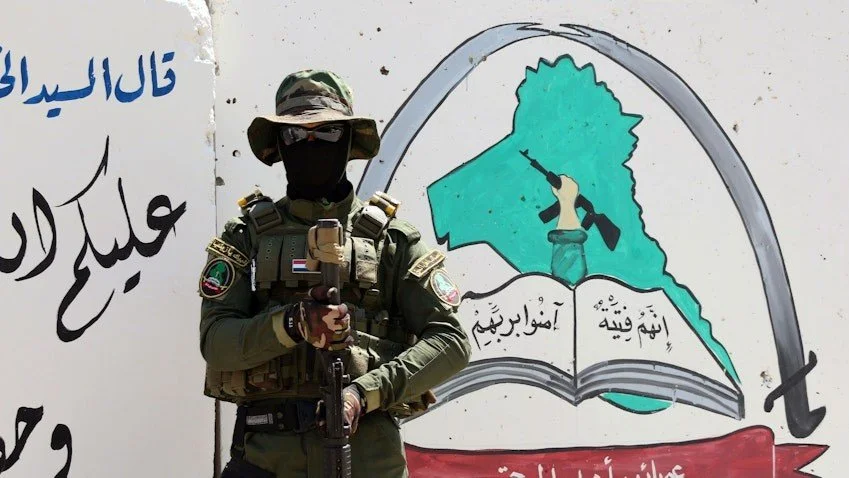
Asa'ib Ahl Al-Haq Fighter pictured in 2015.
1. Escalation in U.S. and Israeli Pressure
In December 2025, Iraqi officials reportedly received warnings that Israel, with tacit U.S. approval, was preparing to target militia infrastructure inside Iraq. These messages were accompanied by intelligence dossiers identifying weapons depots, drone launch sites, and other targets. Subsequent militia statements affirming state control over arms are widely seen as a response to these threats.
Washington has since shifted from aspirational calls for reform to explicit demands for dismantling Iran-aligned militias. The U.S. Chargé d’Affaires in Baghdad, Joshua Harris, underscored this in a January meeting with Ammar al-Hakim, stressing the “need for immediate actions to dismantle foreign-agenda-driven terrorist militias” that undermine Iraqi sovereignty.
The 2026 National Defense Authorization Act (NDAA) further conditions security assistance on measurable progress toward:
Publicly verifiable disarmament and reintegration of non-integrated militias;
Enhanced operational control of the Prime Minister over Iraqi Security Forces;
Accountability for illegal or destabilising actions by militia-linked actors.
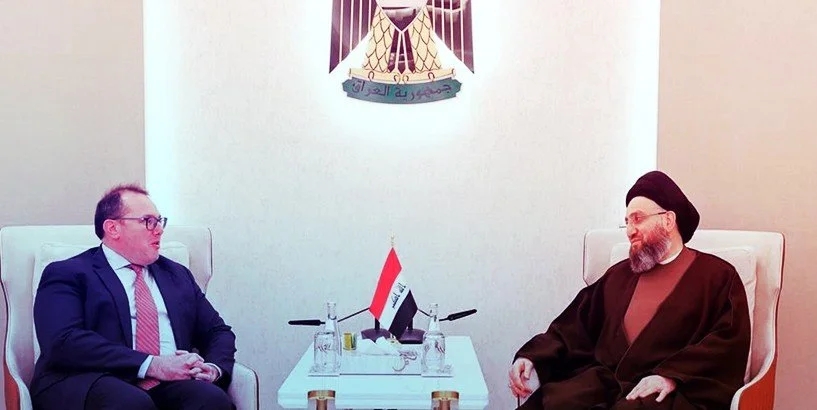
Al-Hakim and Harris discuss national security
2. Baghdad’s Position: Narrative Management Over Enforcement
Caretaker Prime Minister Mohammed Shia Al-Sudani has sought to recast the disarmament push as an Iraqi-led effort grounded in constitutional and religious authority. This framing allows the GoI to avoid appearing to capitulate to external pressure while offering factions political cover for partial compliance.
Still, structural constraints limit Baghdad’s ability to act. Key Iran-aligned factions are integrated into the Popular Mobilisation Forces (PMF), a legally sanctioned part of the Iraqi security apparatus. Following the November 2025 elections, these factions control nearly 90 parliamentary seats, making them essential to political stability.
Efforts to negotiate disarmament are further hampered by intra-factional fragmentation. Armed groups vary widely in their political influence, regional footprint, economic dependencies, and posture toward violence. There is no single authority capable of enforcing uniform compliance.
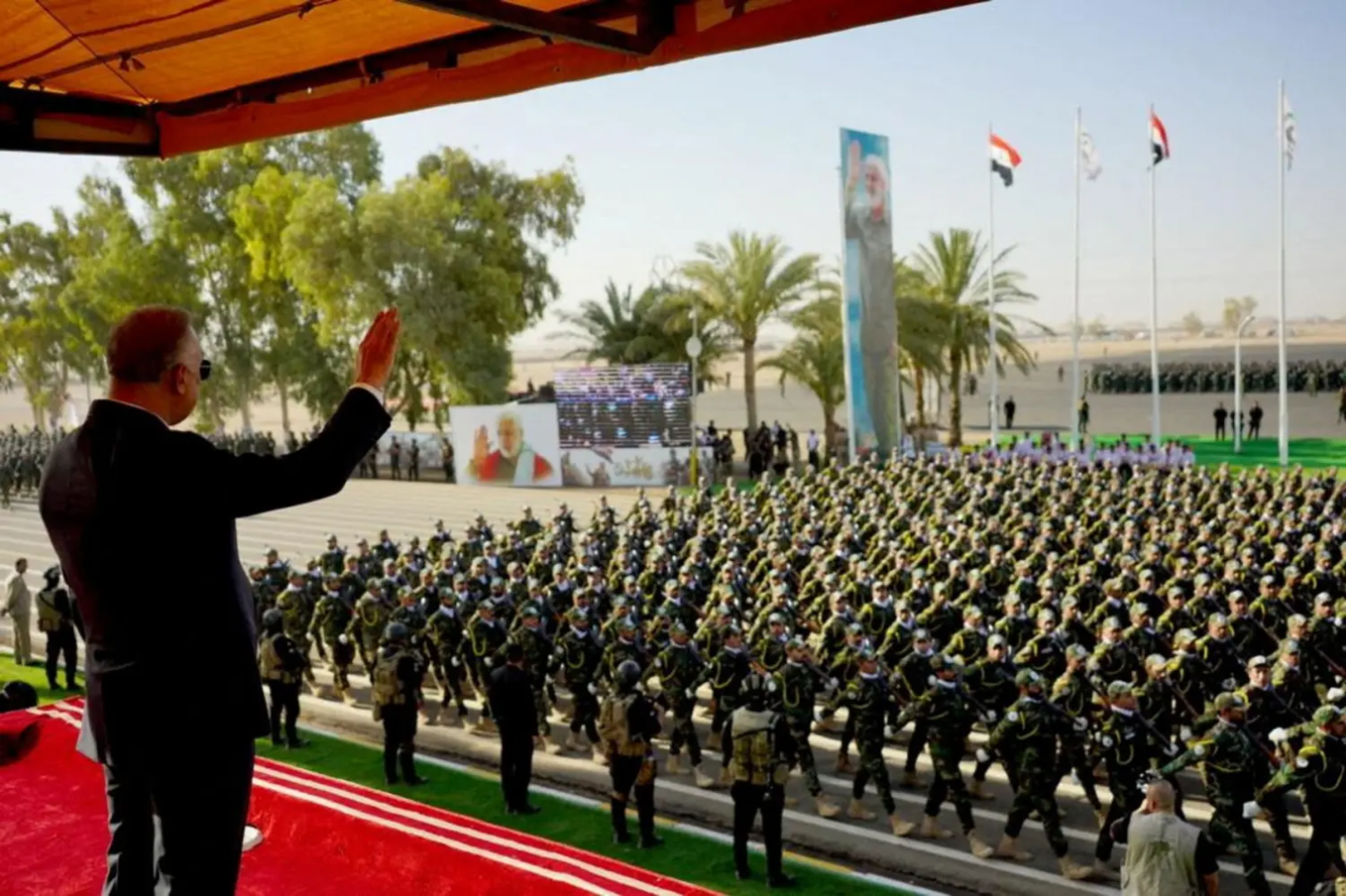
PMF Rally in Diyala, Iraq, in 2022
3. Armed Faction Responses: Conditionality, Division, and Delay
Initial militia signals in favour of disarmament were quickly reversed. A joint statement by several factions reaffirmed their commitment to retaining “holy weapons.” A split has emerged within the Resistance Coordination Committee, the main platform for hardline groups.
Kataib Hezbollah and Harakat al-Nujaba have rejected disarmament outright, tying it to the full withdrawal of U.S. forces and framing armed resistance as a religious duty.
Asaib Ahl al-Haq, Kataib Sayyid al-Shuhada, and others have conditionally endorsed state control over arms, but with timelines and caveats that allow for delay.
This fragmentation reflects deeper divergences in group strategy, threat perception, and levels of dependence on armed capacity.
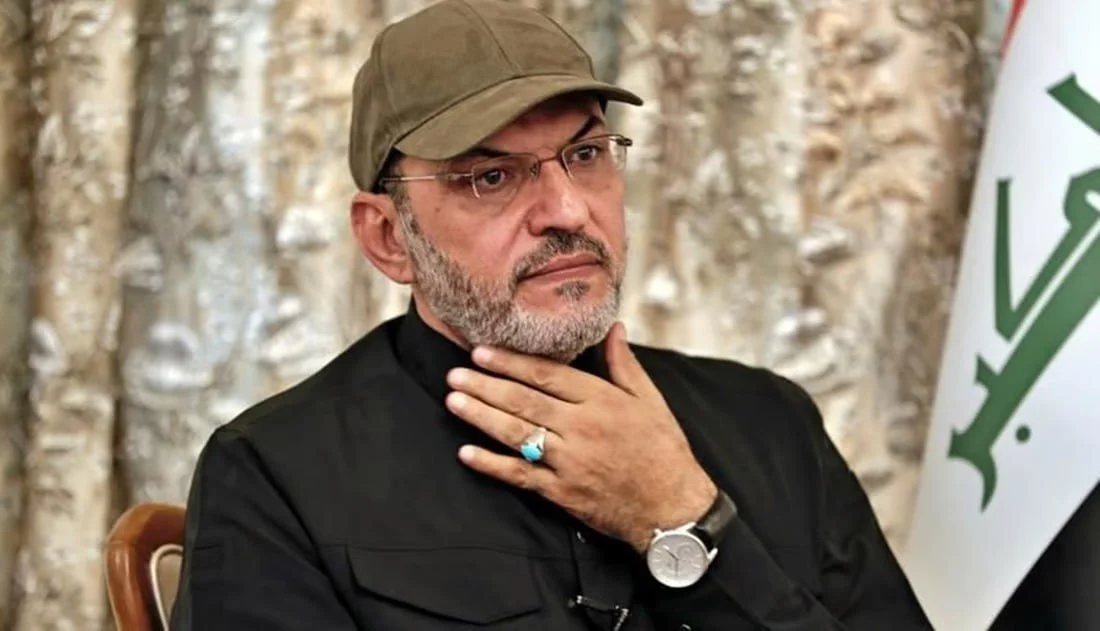
Abu Alaa Al-Walai, leader of Kata'ib Sayyid Al-Shuhada (via +964)
4. Iran’s Role: Managing Fragmentation, Preserving Leverage
Iran has pivoted from directive leadership to crisis management. Quds Force commander Esmail Qaani visited Baghdad in early January 2026 to defuse intra-militia tensions and limit public divergence.
With diminished regional capacity following setbacks in Syria and Lebanon, Tehran appears to favour limited concessions and calibrated rhetoric. However, it remains committed to retaining some degree of armed capacity in Iraq as a strategic hedge.
Iran’s ability to enforce discipline across factions is declining. Still, it is unlikely to abandon efforts to preserve a deterrent posture — especially amid the broader regional conflict with Israel.
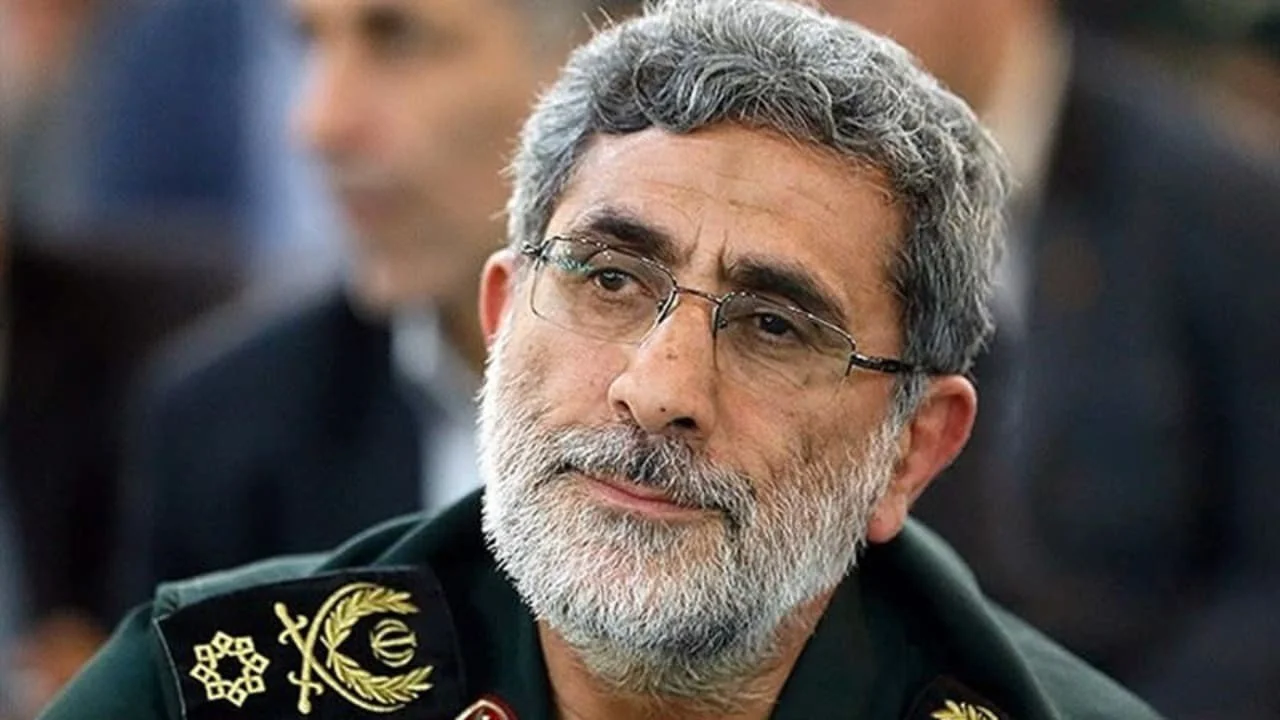
Quds Force Leader Esmail Ghaani
5. Outlook: Managed Ambiguity, Persistent Risk
In the short term, the most likely scenario is managed degradation: reduced visibility of advanced weaponry, rhetorical alignment with state control, and selective disarmament among less confrontational factions.
These measures may delay but not prevent further Israeli or U.S. action, especially if seen as insufficient or insincere. Absent structural reform or political realignment, the current trajectory points to an unstable equilibrium: armed groups retain core capabilities while the GoI manages competing demands without the tools to enforce outcomes.
Policy Implications
External actors should temper expectations for comprehensive disarmament and focus on enforcing compliance with basic red lines (e.g., missile deployment, direct threats to foreign assets).
International support should target institutional strengthening, particularly PM-level command authority, rather than short-term militia buyouts.
A monitoring mechanism could help distinguish between rhetorical compliance and actual degradation of militia capacity.
Any security cooperation or aid package should be tied to verifiable metrics, not symbolic statements.