
The Shrinking Map of North East Syria (NES) and Its Consequences for the KRI
Sudden Shifts
For over a decade, the autonomous administration in Northeast Syria (NES) stood as a unique, if fragile, experiment in Kurdish self-rule. But this week, that chapter appears to be closing with a speed that has left the region reeling. In a decisive shift that is reshaping the northern Levant, the Syrian Army, revitalised under the leadership of President Ahmed al-Sharaa, has swept through NES, dismantling the administrative structures that have governed the area since the retreat of the Assad regime. As of 22 January, the Syrian Democratic Forces (SDF) have ceded nearly 40% of their territory, including the strategic governorates of Raqqa and Deir ez-Zor. The story unfolding, however, is not merely one of military manoeuvres; it is a complex human tragedy involving broken promises, high-stakes diplomacy, and a Kurdish society in neighbouring Iraq that is struggling to cope with the fallout.
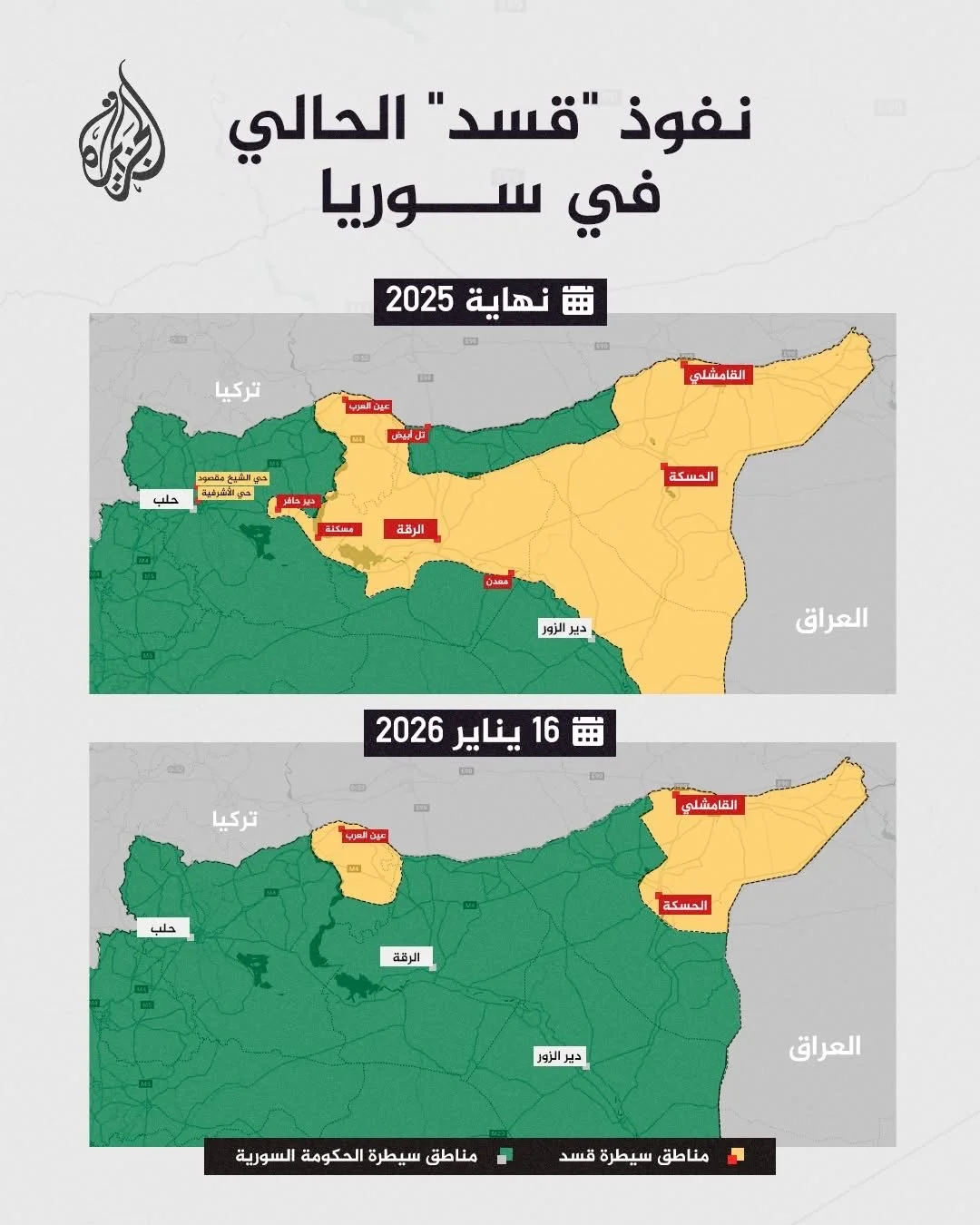
A map shows territory taken by the Syrian Army (End of 2025 -> 16 January 2026).
Agreements and Decrees under Al-Sharaa
To understand the bitterness of the current moment, one must look back to the early days of Ahmed al-Sharaa’s presidency following the collapse of the Assad regime in December 2024. Shortly after taking power, Al-Sharaa signed a landmark framework agreement with SDF Commander Mazloum Abdi in March 2025. This document promised a decentralised governance model and the gradual integration of the SDF into the national army. However, the deal withered on the vine as Damascus demanded total control over oil revenues while the SDF refused to dissolve its command structure.
Tensions reached boiling point early this month when skirmishes erupted in the Kurdish-majority neighbourhoods of Ashrafiya and Sheikh Maqsoud in Aleppo. These clashes, which marked the first direct confrontation between the new Syrian Army and Kurdish internal security forces, served as a prelude to the wider offensive. It was only after these initial battles, and perhaps in a bid to fracture Kurdish unity before the main assault, that President Al-Sharaa issued Decree No. 13 in mid-January. In a historic move intended to soften Kurdish resistance, the decree recognised the Kurdish language as a national language to be taught in schools, granted citizenship to tens of thousands of stateless Kurds, and declared Nowruz a national holiday. The decree, however, is now viewed by analysts not as a gesture of peace, but as a strategic manoeuver designed to offer cultural rights to the Kurdish people while simultaneously preparing to crush their military autonomy. President Ahmad Al‑Sharaa issued on Friday Decree No. (13) of 2026 affirming that Syrian Kurdish citizens are an integral and authentic part of the Syrian people, and that their cultural and linguistic identity is an inseparable component of Syria’s unified and diverse national identity.
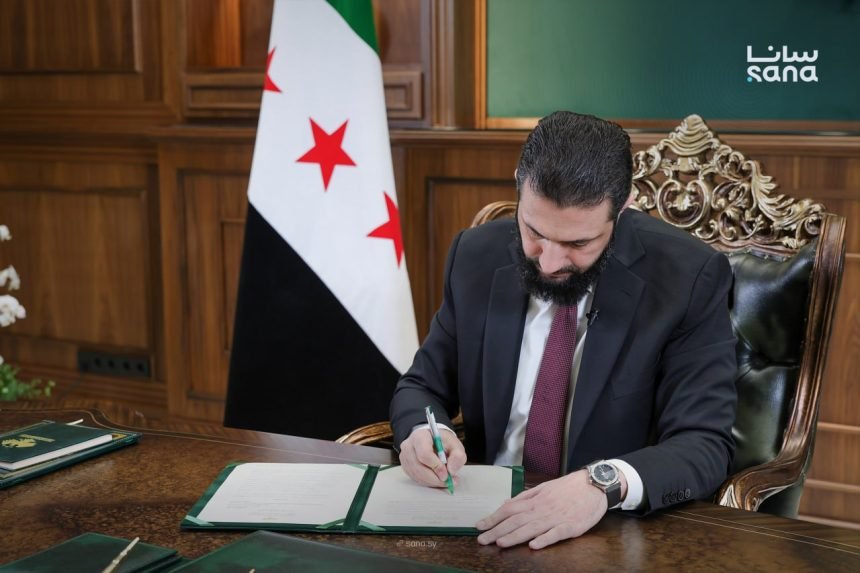
Syrian President Ahmed Al-Shara'a signs decree 13, formalising Kurdish rights within the Syrian State.
Military Developments and Ceasefire Terms
The military reality on the ground has rendered the March agreement obsolete. Following the SDF’s loss of the Al-Omar oil field and the encirclement of Hasakah, a new, harsher 4-day ceasefire was signed on 20 January under U.S. mediation. The SDF fighters are to be integrated into the Syrian Army as individuals rather than as units, effectively dissolving the force. The Kurdish-led administration has thus lost its economic engine and its strategic depth, retreating to a shrinking enclave in Hasakah. Amid accusations of betrayal and abandonment by their former allies in the US-led Global Coalition, US envoy to Syria Tom Barrack in a blunt statement said the SDF’s role as Syria's primary anti-IS force “has largely expired" since the new government is "both willing and positioned to take over security responsibilities.” The U.S. is not interested in "prolonging a separate SDF role,” he said.
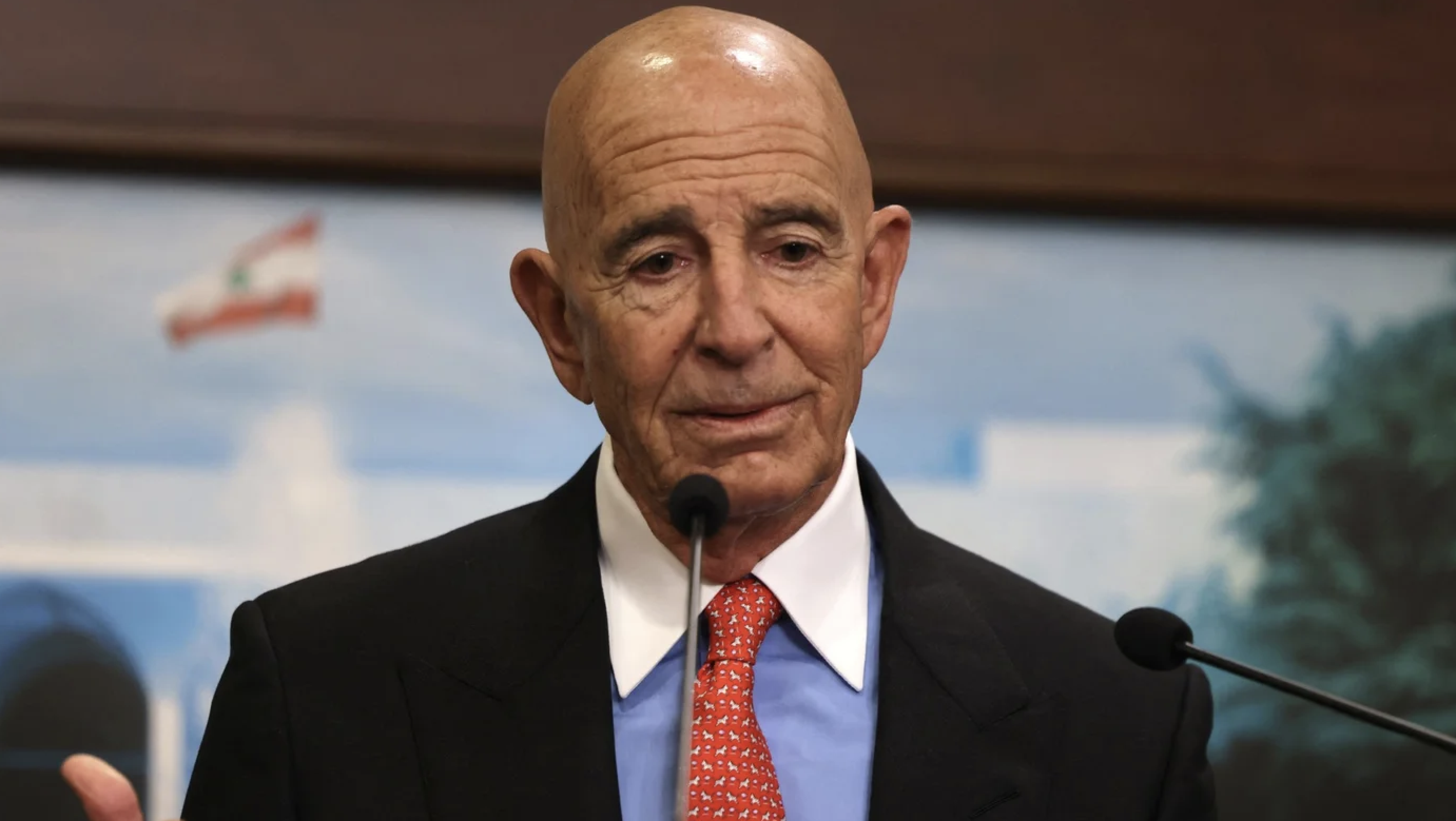
US Envoy to Syria Tom Barack
Erbil as a Diplomatic Lifeline
While the military front collapses, a critical diplomatic track has emerged in Erbil. On 22 January, SDF Commander Mazloum Abdi arrived in the Kurdistan Region for an urgent high-level meeting with KRI President Nechirvan Barzani. This marks the second time in a week that the Kurdish leadership in Iraq has stepped in to mediate, following a similar emergency summit on January 17 that included U.S. Special Envoy Tom Barrack.
The latest meeting in Erbil appears to be the final act in securing the "integration deal." President Nechirvan Barzani, leveraging his good offices with both Ankara and the new Syrian government, is reportedly brokering the terms of the SDF’s political survival. The discussions focused on operationalising the ceasefire and, crucially, finalising the mechanisms for Kurdish cultural rights within the new Syrian constitution.
Responses from the Kurdistan Region of Iraq (KRI)
This diplomatic breakthrough stands in stark contrast to the initial reactions from the region's political parties, which exposed a deep internal rift. From Sulaymaniyah, Patriotic Union of Kurdistan (PUK) leader Bafel Talabani framed the offensive as an existential war. Additionally, his party deployed its elite Counter-Terrorism Group (CTG) across the border. Reports confirm CTG operators are currently in Hasakah, assisting SDF units in securing prisons holding ISIS detainees to prevent mass breakouts.⁶
Beyond the deployment of elite forces, there has been a groundswell of popular mobilisation in the PUK's stronghold of Sulaymaniyah. Heeding a call by the SDF for pan-Kurdish unity, recruitment centres have reportedly facilitated the crossing of hundreds of Kurdish volunteers. Eyewitnesses have confirmed that buses have been organised to transport these civilian volunteers across the border into NES, where they intend to "join the resistance" and fight alongside the SDF against the Syrian Army's advance.
In contrast, the Kurdistan Democratic Party (KDP) in Erbil maintained a cautious approach, dispatching aid convoys via the Barzani Charity Foundation rather than soldiers. Moreover, the high-level mediations in Erbil confirm that the KDP has chosen diplomacy over direct confrontation, aiming to secure a soft landing for the SDF through negotiation rather than armed resistance.
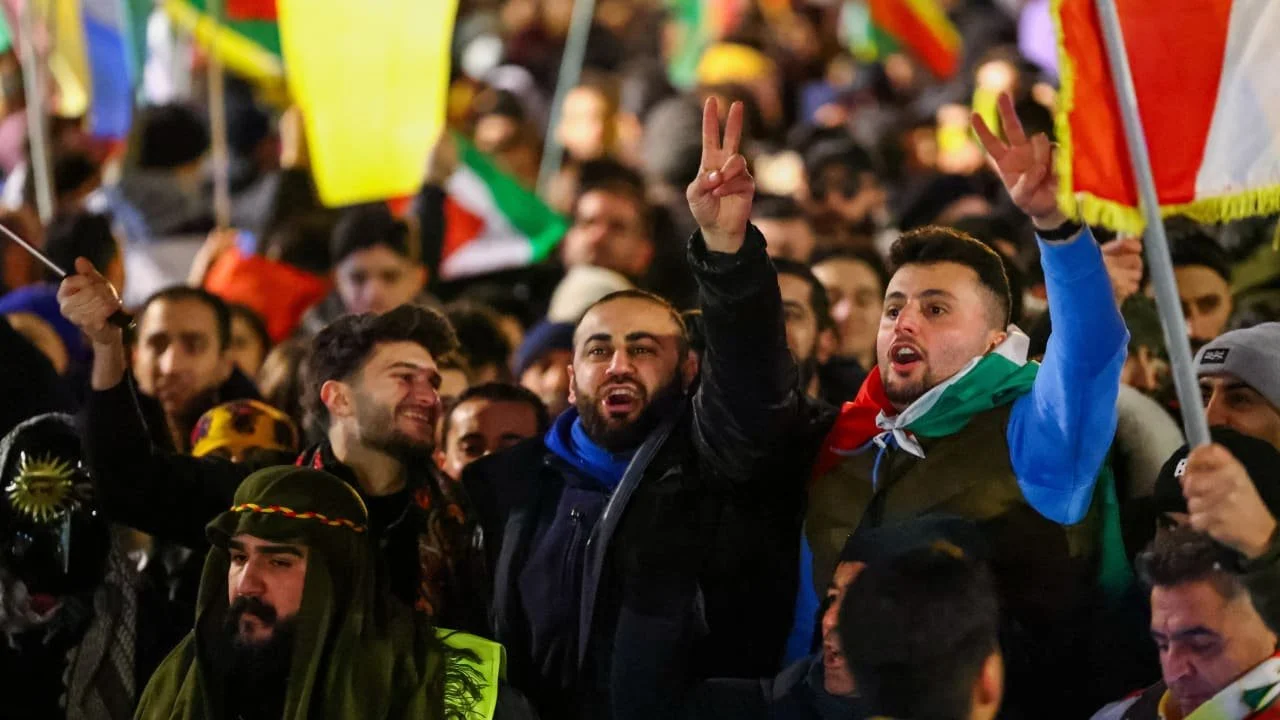
These actions coincided with a surge in public anger. On 19 and 20 January, large demonstrations erupted across the Kurdistan Region. In Sulaymaniyah, many gathered on Salim Street, chanting in support of the SDF, while in Erbil, protesters marched toward the new U.S. Consulate General complex
Social Impact on the Host Community
The most tragic consequence of the conflict is visible on the streets of Erbil and Duhok. Angered by the Syrian Army’s advance, segments of the local Kurdish population have launched a boycott of businesses owned by Syrian Arab refugees, while some social media users have gone further by calling for punitive measures, including dismissals from employment and the revocation of residency permits. This collective punishment threatens the social cohesion of a region that hosts nearly 250,000 Syrian refugees. KDP leader Masoud Barzani issued a stern statement condemning the campaign, calling it "inappropriate and inconsistent with Kurdish values" and urging citizens to distinguish between the Al-Sharaa government and innocent refugees.
International Reactions and the ISIS Transfer
The geopolitical backers of the conflict have made their positions clear, signaling the end of the US-SDF partnership as we knew it. Turkish President Recep Tayyip Erdogan hailed the Syrian Army’s offensive as a "successful test" and a "very important achievement." His statement emphasised "one state, one army," signaling his satisfaction that the SDF’s autonomous structure is being dismantled by Damascus rather than Ankara.
In a statement that shocked many Kurds, U.S. Envoy Tom Barrack declared that the SDF’s mission as the primary anti-ISIS force has largely expired. He framed the new agreement not as a defeat, but as a "pivotal inflection point" where Kurds can trade military autonomy for the full citizenship rights offered by Al-Sharaa’s Decree No.13.
The U.S. stance appears to have been facilitated by a major logistical breakthrough regarding the conflict's most dangerous loose end: the ISIS prisoners held detention facilities and families of ISIS members held in al-Hol camp. On January 21, Syrian government forces formally took control of the sprawling Al-Hol camp from the SDF, assuming responsibility for the tens of thousands of ISIS-affiliated families held there.
Moreover, on 21 January, the U.S. Central Command (CENTCOM) revealed a plan to transfer over 7,000 ISIS detainees previously held in detention facilities in NES – including both Iraqi nationals and foreign fighters – to secure facilities in Iraq. This move relieves the SDF of its burden as the region’s jailor, effectively removing the final rationale for U.S. support of the Kurdish force
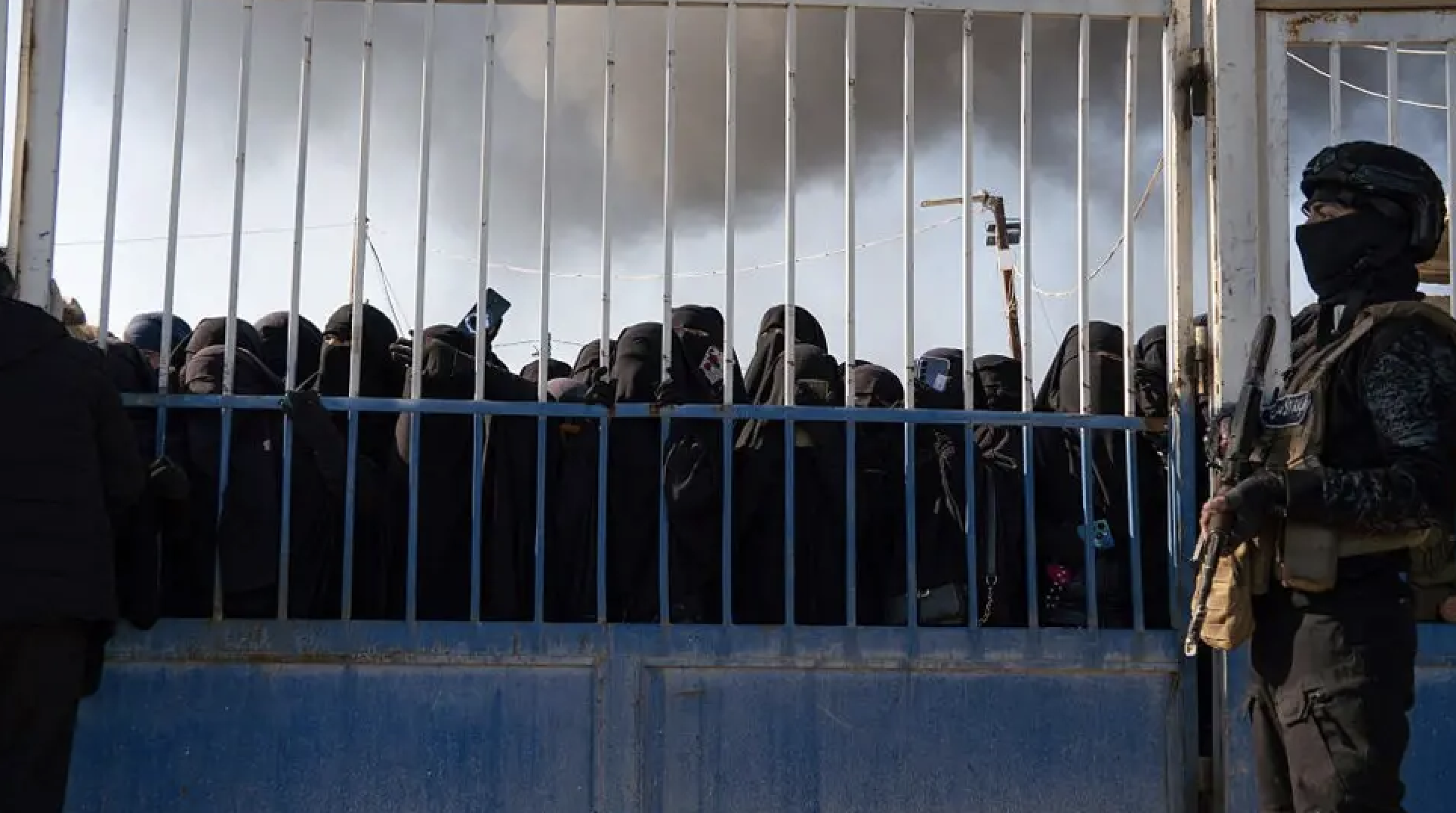
Al-Hol Camp, in North East Syria
Strategic Implications and Future Trajectories
The dismantling of the Rojava administration reverberates far beyond the borders of Syria. For the Kurds in the Kurdistan Region of Iraq, NES was more than a neighbour; it was a psychological buffer. The collapse of the SDF removes a friendly, autonomous entity on their western flank and replaces it with a resurgent Syrian state. This leaves the Kurdistan Region geographically encircled by central governments in Baghdad, Damascus, Ankara, and Tehran, all of whom share a common interest in limiting Kurdish autonomy.
Moving forward, Kurdish communities and their political leadership in Syria face a stark choice between integration and insurgency, if any choice at all. President Al-Sharaa has ostensibly offered a trade, albeit one which will be difficult for the new leader to enforce: the dissolution of military autonomy in exchange for cultural recognition and citizenship – rights that were denied for decades under the Assads. For the Kurds of Iraq, the coming months will require a difficult recalibration, balancing their emotional solidarity with their Syrian kin against the pragmatic need to coexist with the new, unified power rising in Damascus.